Monday, January 14, 2013

Vegan Venus Williams talks about food, tennis and health

Vegan Venus Williams talks about food and tennis Published: January 14, 2013 Updated 2 hours ago Read more here: http://www.kentucky.com/2013/01/14/2475690/vegan-venus-williams-talks-about.html#wgt=rcntnews#storylink=cpy By JOCELYN GECKER — Associated Press
MELBOURNE, Australia — Venus Williams has made the dietary leap from steak lover to vegan but admits that in times of weakness she is a "cheagan." That's Venus-talk for a cheating vegan. "If it's on your plate, I might get to cheat. If you're sitting next to me, good luck. You turn your head once and your food might be gone," Williams said, in good spirits after starting her Australian Open campaign Monday with a quick 6-1, 6-0 win over Galina Voskoboeva. "I think it's pretty well known I'm a cheagan, "the seven-time Grand Slam winner said, laughing. "I'm not perfect, but I try." On her website the 32-year-old American refers to this phase of her life as "Venus A.D." - Venus After Diagnosis. Food is not the only difference between then and now, but it is one of the big lifestyle changes Williams has made since being diagnosed in 2011 with an immune system illness that had caused her years of mysterious symptoms like shortness of breath, fatigue and muscle pain.
Williams went public with her illness after withdrawing from her second-round match at the 2011 U.S. Open and then took seven months off tennis, skipping last year's Australian Open as she learned how to manage the disease known as Sjogren's syndrome. Her website, http://www.venuswilliams.com, says Williams' vegan diet is designed to decrease inflammation in her body and reduce the energy-sapping symptoms of the disease "by not overloading her body with excess calories, pesticides or sugars." "No more of her favorite cherry pies, as sugar is strictly," forbidden, the website says, adding that Williams also has changed her training regimen to allow more rest days. Her comeback has been impressive. Williams had the biggest jump of any of the top players in 2012, moving from outside the top 100 to finish the year at No. 24.
"She's back and she's fiery!" the announcer told the crowd as the 25th-seeded Williams warmed up on Hisense Arena, the second of the main show courts at Melbourne Park. Fans welcomed her back with extended applause and cheers. Playing with power and determination, Williams took command of the match early with a steady stream of winners and powerful serves. She served two back-to-back aces - both over 180 kph (112 mph) - to take a quick 5-1 lead and then broke to win the first set in 31 minutes. The next set went faster. Williams didn't drop a game, wrapping up the match in an hour flat with a beautiful backhand passing shot.
"Obviously it's nice to spend less time on the court, and not be in long sets," Williams said after the match. She was happy with match statistics that included a first-serve percentage of 70 percent. She also took advantage of six of 11 break-point opportunities. "I don't think my opponent quite got the hang of - you know, it's hard to play the first match in a major, first thing of the year, and that can be a lot of pressure." Williams said about the 80th-ranked Voskoboeva of Kazakhstan. "I did my best to just close it out."
At 32, Williams is a veteran on the women's circuit. This is her 13th Australian Open and her 58th Grand Slam tournament. She is regularly asked when she plans to retire, and routinely says not yet. Despite her star power, Williams has not produced the results lately that she did a few years ago. She hasn't made it past the fourth round of a Grand Slam since the 2010 U.S. Open. It's been a decade since Williams' best showing at the Australian Open, which came in 2003 when she lost the final to her younger sister, Serena, who is a favorite to win this year in Melbourne. Still a powerful pairing, the sisters won gold at the London Olympics in doubles. No. 3-ranked Serena cheered her sister from the stands on Monday. The younger Williams won Wimbledon, the U.S. Open and an Olympic gold in 2012. Now that the elder Williams sister is back on the tour and feeling fit, she hopes to extend her career, which started in 1994, into a 20th season. "Yeah, trying to celebrate the 20th anniversary," she said. She reflected on her illness, which she said has helped her to "to focus on the things I can accomplish and not to think about the things that I can't do."
She also reflected on her career, and the difference between her teenage mentality and now. "When you're a young person, you just don't think it's ever going to end, and you're on top of the world," Williams said. "Now, I realize, all these opportunities, I try to make the best I can of them." Her focus for now remains on tennis, starting with a second-round match against Alize Cornet of France and possibly a third-round match with reigning French Open champion Maria Sharapova, who is ranked No. 2. "I love the game," she said, "and while I'm here, I'm going to go for it."
Read more here: http://www.kentucky.com/2013/01/14/2475690/vegan-venus-williams-talks-about.html#wgt=rcntnews#storylink=cpy

Thursday, December 20, 2012

How Antibiotics Destroy Your Immune System

How Antibiotics Destroy Your Immune System
Your immune system is constantly on a seek-and-destroy mission status – on the lookout for foreign invaders, naturally occurring cell defects and mutant cells. The immune system has a vast capacity to remember bad guys and deploy tactics that worked in the past to annihilate the enemy. Some of the fastest growing cells in the human body are immune cells.
Over 80% of the body’s immunity is built in the intestinal tract by the friendly bacteria balance that resides there. The intestinal flora starts building in an infant while in the womb but doesn’t really take off until after 8 days of age. Starting with the colostrum milk, the gut begins to populate with more bacteria while the infant’s immune system starts an inventory of good and bad cells in the body. This inventory is a life-long process and the immune system never forgets an invader. Where the problem begins
The absolute worst thing to do to any infant is to give them an antibiotic. Antibiotics indiscriminately kill bacteria, both good and bad. One round of antibiotics will permanently change the baby’s immune system, and because a majority of neuro-chemicals are also made in the gut, the baby’s neurology is also altered. The antibiotics that have been touted as the savior of mankind from disease are costing us in cancer and degenerative, chronic diseases. Once the very first antibiotic is administered to the infant or child, the bacteria in the gut is wiped out and the immune system is permanently altered in its ability to manufacture appropriate immune cells. Fungus in the gut is now unopposed and begins to proliferate unchecked by the friendly bacteria. After fungus sets up strongholds then parasites move in to share the bounty of food and minerals meant to feed the body. This is the first step for chronic disease and cancer.
The same process happens when an adult takes even one round of antibiotics. Everything changes permanently and takes years of targeted nutrition and probiotic therapies to recover a semblance of normalcy in the body systems. The role of heavy metals Over 80 percent of heavy metals are removed from the body via the friendly bacteria in the gut. Certain bad bacteria and fungus actually prefer to retain and move heavy metals into the body and transport these metals to different tissues and organs to weaken them for future invasion. Fungus is a clean-up organism that feeds on compromised tissues. Eventually a bad fungus will invade healthy tissues as it gains strength and your body weakens. The cancer double-whammy
Once the bad bacteria balance occurs and the fungus sets up shop, the intestinal wall becomes leaky, allowing partially digested foods, bacterium and allergens to cross into the blood. Now the already weakened immune system has double-duty to perform trying to clean up the gut while tracking down these new threats to the body. To think this all started with a well-meaning but seriously wrong pediatrician and misinformed parents.
Cancer is a disease of inflammation. The gut compromises and leakage of particles into the blood causes inflammation throughout the body. Chronically inflamed organs become targets of heavy metals, viruses, bacterium and fungus. But the damage doesn’t stop there as the highly processed foods we eat cross the now compromised gut barrier; causing pancreas stress and trouble. Chronic stress weakens organs to make them more susceptible to disease and cancer. Where it ends It ends with you making informed decisions before submitting to any medical treatment, including taking antibiotics. You are the one who gleans the benefits or suffers the consequences – not the doctor who collects your co-pay up front and makes you sign “informed consent” papers before treatment. Sources for this article http://www.wired.com/wiredscience/2009/02/bacteriablood/ http://www.mayoclinic.com/health/antibiotics/FL00075 http://www.ncbi.nlm.nih.gov/pmc/articles/PMC1994795/ http://www.naturalnews.com/036479_antibiotics_immune_system_destruction.html#ixzz20n3coHty

Saturday, December 15, 2012

Daily Soda Consumption Shown to Increase Stroke Risk by 83%

Daily Soda Consumption Shown to Increase Stroke Risk by 83%
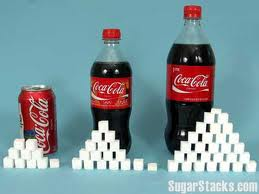
by Elizabeth Renter Dec 15th, 2012 Read more: http://naturalsociety.com/daily-soda-consumption-increase-stroke-risk-83-percent/#ixzz2FADQIqnp Haven’t given up soft drinks yet? Now would be a good time. In addition to increasing your risk of heart disease, asthma and COPD, and containing cancer-causing ingredients (and this isn’t even touching the nasty effects of diet soda), researchers have found that sodas can increase your risk of suffering a stroke exponentially. 83% Increased Stroke Risk
A recent study from Japan found that women who drink soda everyday have an increased stroke risk of 83%. That means you are 83% more likely than a non-soda-drinker to suffer from a stroke. The study took place over a period of a few decades, surveying participants about their soda consumption in 1990, 1995, and again in 2000. Then, they tracked how many participants suffered a stroke during that period. Those women who drank sugared soda at least once daily were at the biggest risk. The link was only present in the women surveyed.
Interestingly, another study found the link to remain whether the soda was sugared or “diet”. According to AARP, adults who drink one or more sodas each day are 16% more likely to suffer a stroke. Women in this study were also found to be at a higher risk than men. This second study came from Cleveland Clinic’s Wellness Institute and Harvard University who looked at more than 84,000 women and 43,000 men.
Related Read: Is Diet soda Bad for You? Those who stand to make money off of soft drinks, not surprisingly, don’t see the studies (and countless others like them) to be anything of note. “This study does nothing to educate people about the real causes of heart disease or heart health issues,” said the American Beverage Association (ABA) in a statement. “It only shows what we already know to be among the risk factors for heart disease: ethnicity and age. There is nothing unique about soft drinks when it comes to heart disease, stroke or any other adverse health outcomes.”
Nearly half of all Americans drink soda on a daily basis, with an average consumption rate of about of 2.6 glasses each day. A 2004 study in the American Journal of Preventative Medicine found that soft drinks account for about 7% of American caloric intake. Additionally, kids are getting about 7 trillion calories of sugar from cancer-causing beverages like soda each year. That’s a lot of soda. And a whole lot of motivation for the ABA and others to keep findings like these quiet. Additional Sources: ScienceDirect HuffingtonPost AARP.org Wiley Online Library Read more: http://naturalsociety.com/daily-soda-consumption-increase-stroke-risk-83-percent/#ixzz2FAD2NALy

Monday, November 26, 2012

9 Things That I think Will Disappear In Our Lifetime

This is scary but oh, so true!!! 9 Things That I think Will Disappear In Our Lifetime Whether these changes are good or bad depends in part on how we adapt to them. But, ready or not, here they come. 1. The Post Office Get ready to imagine a world without the post office. They are so deeply in financial trouble that there is probably no way to sustain it long term. Email, Fed Ex, and UPS have just about wiped out the minimum revenue needed to keep the post office alive. Most of your mail every day is junk mail and bills. 2. The Check Britain is already laying the groundwork to do away with check by 2018. It costs the financial system billions of dollars a year to process checks. Plastic cards and online transactions will lead to the eventual demise of the check. This plays right into the death of the post office. If you never paid your bills by mail and never received them by mail, the post office would absolutely go out of business. 3. The Newspaper The younger generation simply doesn't read the newspaper. They certainly don't subscribe to a daily delivered print edition. That may go the way of the milkman and the laundry man. As for reading the paper online, get ready to pay for it. The rise in mobile Internet devices and e-readers has caused all the newspaper and magazine publishers to form an alliance. They have met with Apple, Amazon, and the major cell phone companies to develop a model for paid subscription services. 4. The Book You say you will never give up the physical book that you hold in your hand and turn the literal pages. I said the same thing about downloading music from iTunes. I wanted my hard copy CD. But I quickly changed my mind when I discovered that I could get albums for half the price without ever leaving home to get the latest music. The same thing will happen with books. You can browse a bookstore online and even read a preview chapter before you buy. And the price is less than half that of a real book. And think of the convenience! Once you start flicking your fingers on the screen instead of the book, you find that you are lost in the story, can't wait to see what happens next, and you forget that you're holding a gadget instead of a book. 5. The Land Line Telephone Unless you have a large family and make a lot of local calls, you don't need it anymore. Most people keep it simply because they've always had it. But you are paying double charges for that extra service. All the cell phone companies will let you call customers using the same cell provider for no charge against your minutes 6. Music This is one of the saddest parts of the change story. The music industry is dying a slow death. Not just because of illegal downloading. It's the lack of innovative new music being given a chance to get to the people who would like to hear it. Greed and corruption is the problem. The record labels and the radio conglomerates are simply self-destructing. Over 40% of the music purchased today is "catalogue items," meaning traditional music that the public is familiar with. Older established artists. This is also true on the live concert circuit. To explore this fascinating and disturbing topic further, check out the book, "Appetite for Self-Destruction" by Steve Knopper, and the video documentary, "Before the Music Dies." 7. Television Revenues to the networks are down dramatically. Not just because of the economy. People are watching TV and movies streamed from their computers. And they're playing games and doing lots of other things that take up the time that used to be spent watching TV. Prime time shows have degenerated down to lower than the lowest common denominator. Cable rates are skyrocketing and commercials run about every 4 minutes and 30 seconds. I say good riddance to most of it. It's time for the cable companies to be put out of our misery. Let the people choose what they want to watch online and through Netflix. 8. The "Things" That You Own Many of the very possessions that we used to own are still in our lives, but we may not actually own them in the future. They may simply reside in "the cloud." Today your computer has a hard drive and you store your pictures, music, movies, and documents. Your software is on a CD or DVD, and you can always re-install it if need be. But all of that is changing. Apple, Microsoft, and Google are all finishing up their latest "cloud services." That means that when you turn on a computer, the Internet will be built into the operating system. So, Windows, Google, and the Mac OS will be tied straight into the Internet. If you click an icon, it will open something in the Internet cloud. If you save something, it will be saved to the cloud. And you may pay a monthly subscription fee to the cloud provider. In this virtual world, you can access your music or your books, or your whatever from any laptop or handheld device. That's the good news. But, will you actually own any of this "stuff" or will it all be able to disappear at any moment in a big "Poof?" Will most of the things in our lives be disposable and whimsical? It makes you want to run to the closet and pull out that photo album, grab a book from the shelf, or open up a CD case and pull out the insert. 9. PRIVACY If there ever was a concept that we can look back on nostalgically, it would be privacy.. That's gone. It's been gone for a long time anyway.. There are cameras on the street, in most of the buildings, and even built into your computer and cell phone. But you can be sure that 24/7, "They" know who you are and where you are, right down to the GPS coordinates, and the Google Street View. If you buy something, your habit is put into a zillion profiles, and your ads will change to reflect those habits. "They" will try to get you to buy something else. Again and again. All we will have left that can't be changed are "Memories". And then probably Alzheimer's will take that away from you too!

Monday, November 12, 2012

Best Organic QUALITY Vegan Restaurant in Sarasota, FL

EXCELLS in ALL areas - I recommend this Eatery to ALL As you know I am demanding & have never recommended a restaurant before.
2164 Gulf Gate Drive, Sarasota, FL 34231 Phone: (941) 312-6424Dinner Mon-Thurs 5pm-8pmLunch Mon-Sat 11am-2:30pmDinner Fri & Sat 5pm-9pmClosed Sunday Name: Email:Please insert your Name and Your email address if you would like to receive our monthly newsletter Reviews from around the webVeg - Winner - Best Restaurant for Vegetarians
Veg Menus Veg Gallery About Veg Media Veg Contact Veg Veg Newsletters Lunch Menu Kids Menu Dinner Menu Vegan Menus Gluten-Free Menus Dessert Menu Beverage Menu Catering Menu Friends Bring Friends To Veg!Veg - A Vegetarian and Seafood Eatery SAGE AND PUMPKIN SEED-ENCRUSTED SEITAN WITH ROASTED GARLIC, BUTTERNUT AND SWEET POTATO SAUCE Dinner Reservations Recommended Call 941.312.6424
-------------------------------------------------------------------------------- OKTOBERFEST AT VEG!Veg (2164 Gulf Gate Drive) will be celebrating Oktoberfest October 22nd-October 31st. Chef Marty will be selecting from the following German dishes: Bavarian Butternut & Apple Soup, German Barley Soup, Tofurkey Beer Brats (at lunch), dinnertime Seitan Schnitzel, Sauteed Leeks, Sauerbraten, and Stuffed Cabbage. Maggie's popular German Chocolate Cake will be available and Veg will be featuring their Organic Dunkel,a premium Bavarian dark lager.Dinner Reservations Suggested.941-312-6424.Winner - CERTIFICATE OF EXCELLENCE 2012
Veg - A Vegetarian & Seafood Eatery · E-Mail: info@vegsrq.com

Saturday, November 10, 2012

Documentary Reveals How the Medical and Pharmaceutical Industry Conspire to Maintain a Failing Business Model

Documentary Reveals How the Medical and Pharmaceutical Industry Conspire to Maintain a Failing Business Model Nov 10 2012 NO HEAL NO CURE Never seek the Cause By Dr. Mercola Did you know that while the United States makes up only five percent of the world's population, we consume over 50 percent of all the world's pharmaceutical drugs? This sobering statistic and much more is revealed in Jeff Hays' documentary film, Doctored. The primary focus of the film is on the chiropractic profession and its long-standing struggle to be recognized as authentic health professionals. In the 1980's, chiropractors were still by and large viewed as quacks whose treatments were unscientific and potentially dangerous. Worse yet, chiropractors were also derided as 'cultists' at a time when Charles Manson and his cult followers wrought terror in California, and Jim Jones persuaded his followers to drink the Kool-Aid spiked with deadly poison. Yes, chiropractors were tossed in with this charming lot! However, this bizarre consensus reality in which chiropractors were deemed "unscientific cultists" on par with some of the most heinous criminals in US history was, as the evidence shows, doctored by the medical industry at the behest of Big Pharma. As stated in the beginning of the film: "There's been a deliberate campaign to label anybody who doesn't sell or distribute drugs, surgery or radiation as a quack." Supreme Court Found AMA GUILTY of Conspiracy to Destroy Chiropractic Industry The modern medical system is committed to branding virtually all serious competition to their flawed model by labeling it 'quackery.' But what most people fail to realize is that this effort is rather like the witch hunts of old, which claimed the lives of tens of thousands of men and women in possession of priceless knowledge and understanding of the healing powers of the natural world. That extermination of ancient wisdom no doubt helped drive mankind deep into ignorance, setting the people of the West on a path that would quickly sever our innate connection with Nature. The results of this separation from time honored ancient healing practices and our ignorance of our symbiotic place within the natural world are clearly evident today... The film includes the groundbreaking and historical case of Wilk vs. The American Medical Association (AMA) – a case in which the AMA was ultimately found guilty of an illegal conspiracy to "contain and eliminate the chiropractic profession," in 1984. The Supreme Court ordered the AMA to cease their illegal treatment of the chiropractic profession, and in the years since, chiropractic has slowly but surely established its usefulness and scientific merit. Still, there's plenty of room for improvement. Doctored includes eye-opening interviews not only with chiropractic and osteopathic doctors (including myself), it also talks to surgeons, MD's, pharmaceutical sales reps, and high-profile patients like Olympic Gold Medalist Picabo Street and John Stockton from the NBA Hall of Fame who regularly challenged my favorite player Michael Jordan, as well as regular patients who went looking for a better way to achieve health. All in all, the testimony spells out the point of the film, which is that conventional medicine, backed and ruled by the pharmaceutical industry, is corrupt to the core and frequently does more harm than good, while simultaneously protecting their business and hiding its ineffectiveness by suppressing legitimate, safe, and effective alternative or complementary practices such as chiropractic. What is the Solution? Doctored clearly spells out the solution to the problem: 1.The public must have the right to learn the truth about what health really is 2.You need to take more personal responsibility for your health This is the very core of my personal mission. Virtually every article on this site is focused on how to optimize your health by embracing a few basic tenets of truth. Health is about much more than the masking of symptoms! True health is a state of optimal functioning, physically, mentally, emotionally, and you could even throw in spiritually, if you really want to achieve the highest pinnacle of health and inner harmony and well-being. Clearly, conventional medical science has its place. If you're in a car accident, your nearest trauma center is a blessing that can save your life. However, to believe that you can create good health by taking drugs to mask your symptoms is a dangerous pipe dream. It simply won't happen. What DOES Make You Healthy? While science can and will discover techniques and strategies that can be profoundly beneficial for your health, there are certain foundational basics that are unlikely to ever change, and these include: 1.Optimize insulin and leptin levels through minimizing your sugar, processed food and grain carbohydrates and replacing them with healthy fats such as butter, animal fat, coconut oil, avocados, seeds and nuts. 2.Eat a healthy diet of whole organic foods, and pay careful attention to keeping your insulin levels down by avoiding sugar/fructose and grains. I make this easy with my recently updated and free Nutrition Plan. 3.Drink plenty of clean water. 4.Manage your stress. 5.Exercise regularly and correctly by incorporating high intensity exercises, which is how your body was designed to perform. 6.Get safe and appropriate sun exposure to optimize your vitamin D. 7.Limit exposure to toxins of all kinds. 8.Consume healthy fats and avoid processed fats like nearly all commercial vegetable seed oils that are high in omega-6 fats. 9.Eat plenty of raw food. 10.Get plenty of sleep. The pharmaceutical industry, the food industry, and even government itself, will not make it easy for you to avoid the garbage that ruins your health, but remember, leading a common sense, healthy lifestyle is your best bet to produce a healthy body and mind, and increase your longevity. And best of all, YOU have the power to change your own lifestyle to make sure the 10 foundational basics listed above are covered.

Monday, November 5, 2012

US Medical System of No Heal No Cure Revenues 1st a Disgrace

Hospital Errors Kill Well Over 180,000 Americans Annually – Why are Super-Safe Supplements and Natural Health Under Attack? November 05 2012 When Consumer Reports speaks, people listen – and this time the consumer advocacy agency is advising you on where to get your care – or not – if you need to go to the hospital. It's the first time Consumer Reports has investigated hospital safety,1 and the results show hospital ratings don't always match public opinions. Some of the most well-known hospitals got the worst ratings.
Except for the Mayo Clinic's various campuses, which have exceptionally good scores, others like Mass General and Mount Sinai in New York, didn't rate as well as you might expect. One hospital, Sacred Heart of Chicago, scoring an abysmal 16 on a 100-point safety scale was ranked the most dangerous in the country. A clinic in Billings, Montana scored the highest. Hospitals were ranked according to six critera:2 •Infections •Communications about safety issues •The degree to which you come right back in the hospital after you've been discharged •Situations in which too many imaging tests that expose you to radiation are being done •Common complications in unsafe hospital •Death rates for several conditions An Epidemic of Health Care Harm... "Infections, surgical mistakes, and other medical harm contributes to the deaths of 180,000 hospital patients a year, according to projections based on a 2010 report from the Department of Health and Human Services. Another 1.4 million are seriously hurt by their hospital care. And those figures apply only to Medicare patients. What happens to other people is less clear because most hospital errors go unreported and hospitals report on only a fraction of things that can go wrong. 'There is an epidemic of health-care harm,' says Rosemary Gibson, a patient-safety advocate and author. More than 2.25 million Americans will probably die from medical harm in this decade, she says. 'That's like wiping out the entire populations of North Dakota, Rhode Island, and Vermont. It's a man-made disaster.'
... 'Hospitals haven't given safety the attention it deserves,' says Peter Pronovost, M.D., senior vice president for patient safety and quality at Johns Hopkins Medicine in Baltimore. Nor has the government, he says. 'Medical harm is probably one of the three leading causes of death in the U.S., but the government doesn't adequately track it as it does deaths from automobiles, plane crashes, and cancer. It's appalling.'" The above was written in Consumer Reports:3 To review the full listing of their safety scores, you need to be a Consumer Reports subscriber. However, there are also other sources that can help you evaluate the safety of a hospital, such as: •Hospital Compare •Leapfrog Group's Hospital Safety Score On Calling the Kettle Black... Statistics like these make safety allegations against alternative forms of health care, including the use of herbal remedies and supplements in lieu of drugs, all the more ludicrous. Natural health modalities have repeatedly come under attack as being inherently risky. Risky compared to what? Clearly, these people do not know what they're talking about when they claim conventional health care is superior to natural, holistic modalities. Superior in what way? Putting you out of your misery quicker?
One such misguided person is Dick Durbin, current state senator of my home state, Illinois, which, as we now know is also home to the most dangerous hospital in the United States. I find this to be particularly ironic since Senator Durbin is a staunch pro-pharma supporter who time and again has tried to destroy alternative health and eliminate supplements. Earlier this summer, he tried to sneak in a last-minute anti-supplement amendment into an FDA bill. Fortunately, over 100,000 Americans called their Congressmen within 24 hours to defeat the amendment. The Alliance for Natural Health reported:4 "One of the things we found alarming in this amendment saga was the amount of misinformation in Sen. Durbin's speech on the Senate floor... Sen. Durbin [said], 'No one tests dietary supplements... Companies that make these products may test them if they wish, there's no requirement under law that they test them, and there's certainly no agency of government that tests dietary supplements... There's just no testing involved.' This is completely untrue – supplement companies, by law, must comply with the Dietary Supplement Current Good Manufacturing Practices5 (CGMPs) and must conduct testing throughout the production process as well as testing the finished product for quality control. As with the pharmaceutical industry, the burden is on supplement companies to test their own products, because in the end they are liable should FDA choose to take enforcement action against them. One reason we are so concerned about legislation like Sen. Durbin's is that it is clearly intended to put us on a slippery slope toward a supplement pre-approval system – similar to the system being used by the European Union, where only those vitamins and minerals on the approved list may be used in food supplements, and only in very limited amounts. For example, if a supplement contains more beta carotene than is present in half a large carrot, it is banned. A regulatory framework like the EU's is exactly what Sen. Durbin wants." Supplements Industry has an Unmatched Safety Record Money drives USA medicine Durbin is still on the war path against supplements, despite the fact that recent investigations in the US and the UK have concluded that supplements and herbal remedies have a sterling safety record. The UK-based, international campaign group, the Alliance for Natural Health International (ANH-Intl) recently revealed data6 showing that compared to supplements, an individual is: •Around 900 times more likely to die from food poisoning •Nearly 300,000 times more likely to die from a preventable medical injury during a UK hospital stay, which is comparable to the individual risk of dying that active military face in Iraq or Afghanistan Additionally, the data shows that adverse reactions to pharmaceutical drugs are: •62,000 times more likely to kill you than food supplements •7,750 times more likely to kill you than herbal remedies The data, which was collected from official sources in the UK and EU, demonstrate that both food supplements and herbal remedies are in the 'super-safe' category of individual risk – meaning risk of death from their consumption is less than 1 in 10 million. Similarly, the latest data from the U.S. National Poison Data System (2010 report),7 NO deaths were attributable to vitamin and mineral supplements that year. And, as noted by Orthomolecular Medicine News Service last year,8 Americans easily take more than 60 billion doses of nutritional supplements every year, and with zero related deaths this is an outstanding safety record: "Well over half of the U.S. population takes daily nutritional supplements. Even if each of those people took only one single tablet daily, that makes 165,000,000 individual doses per day, for a total of over 60 billion doses annually. Since many persons take far more than just one single vitamin or mineral tablet, actual consumption is considerably higher, and the safety of nutritional supplements is all the more remarkable. Over 60 billion doses of vitamin and mineral supplements per year in the USA, and not a single fatality. Not one. If vitamin and mineral supplements are allegedly so 'dangerous,' as the FDA and news media so often claim, then where are the bodies?" Senators Durbin, Blumenthal "Deeply Concerned" about Poor Manufacturing Standards While supplements may be one of the safest industries, there's certainly room for improvement, especially when it comes to quality standards. The good news is that even when quality is lacking, the risk you take relates more to the fact that the product will not provide you with the same benefits as a high-quality product might, as opposed to posing a life-threatening risk to your health – like drugs do. Still, the fact that you're more likely to die from drowning in your bathtub than from a supplement or herbal remedy, supplements are still being attacked as "dangerous." If Senator Durbin truly cared about the safety of individuals, then he should be spending more time addressing the abysmal safety record of our hospitals, and the rampant prescriptions of dangerous drugs. Especially since the most dangerous hospital in the US is right in his backyard. But no. He's got smaller fish to fry. Senators Durbin and Richard Blumenthal (D-CT) recently sent off letters to the Natural Products Association (NPA), the Council for Responsible Nutrition (CRN) and the American Herbal Products Association (AHPA), stating: "We are deeply concerned about the poor manufacturing standards that expose consumers to potentially serious health risks. To ensure consumer safety, we are eager to hear of the industry's plans for improving the successful adoption of current manufacturing practices." The hubbub stems from a June 30 article in the Chicago Tribune, which claims:9 "Federal inspections of companies that make dietary supplements – from multivitamins and calcium chews to capsules of echinacea and bodybuilding powders – reveal serious and widespread manufacturing problems in a $28 billion industry that sells products consumed by half of all Americans. In the last four years, the U.S. Food and Drug Administration has found violations of manufacturing rules in half of the nearly 450 dietary supplement firms it has inspected, according to agency officials." The article goes on to describe how supplements are produced in "unsanitary factories." One New Jersey-based protein powder manufacturer is alleged to have been mixing powders and supplements in "a facility infested with rodents, rodent feces and urine." Serious supplement adverse events are so rare that media and supplement critics repeatedly roll out Total Body Formula's problems from back in 2008 (as Dateline NBC did in its March 18, 2012, broadcast) to beat the anti-supplement drum. The Tribune's reporter has a history of launching attacks against "alternative" medicine. The reporter's inclusion of deaths linked to cough syrup made by a Panamanian pharmaceutical company in 2006 adds further proof of bias. Beware the Double Standards I'd like to remind everyone that the FDA allows all manner of contaminations in the processed foods you consume every day, and it thinks nothing of it. For example, up to six percent of chips are allowed to have rot from pre- or post-harvest infection. Acceptable levels of mold go as low as 15 percent in canned tomatoes to as high as 45 percent for ketchup. Up to 30 fly eggs per every 100 grams of tomato sauce is okay, as is two maggots per every 100 grams of tomato juice. The FDA also will not mandate action unless 10 or more whole or equivalent Drosophila flies and 35 of its eggs are found per 8 ounces of raisins. Ground turkey is allowed up to 49.9% positive testing for salmonella under USDA guidelines, with ground chicken allowed up to 44.6%. When it comes to food, a certain amount of bugs and other contaminants is considered safe by the FDA. I absolutely agree that the supplement industry needs to work hard to ensure high-quality products of high purity. However, there's no need to try to shut down the entire industry as unsafe, as all available data attests to the contrary! Can you get ill from a supplement or herb? Yes. But your chances of suffering a serious side effect or death from a drug is astronomically higher. Again, your risk of dying from an adverse drug effect is 62,000 times higher than that of a supplement. Your chances of dying from food poisoning is also FAR greater than having a lethal reaction to a supplement. In the end it comes down to keeping things in perspective. If Congress wants to protect us from health care harm, they need to get their priorities in order. In response to Senator Durbin's letter, the Natural Products Association replied, in part:10 "As the leading representative of the dietary supplement industry with over 1,900 members, including suppliers and retailers of vitamins and other dietary supplements, NPA has been the leader in educating the dietary supplement industry about current Good Manufacturing Practices (cGMPs). GMP compliance is a serious issue and NPA has taken major steps to ensure our members are in compliance. NPA agrees consumers should have access to products that are safe and wholesome and we do not make excuses for any instances of non-compliance. However, NPA believes the FDA's reckless comments in the Chicago Tribune article distort the full picture of our membership's overall safety record. In fact, supplements have an excellent safety record, but we appreciate this opportunity to provide more information to you..." Although I do not promote the use of many supplements in general, believing it is far better to get your nutrition from food, there are exceptions to this rule, and if you choose to use them in lieu of drug therapy, you're certainly reducing your risk of serious side effects. It is prudent, however, to make sure you're using a high-quality product. Not only will this protect you from any potential harmful effects from contaminants, but such products will also offer the greatest possible benefits so that you're not wasting your money on an ineffective product. Big businesses have been buying up emerging supplement manufacturers similar to what we've witnessed in the organic industry. Nearly 70 percent of American adults are now taking supplements, and you can bet the drug industry and a few politicians will work hard to make this another model of control and profits for a few elite businesses. I'd recommend keeping close tabs on CT Sen. Richard Blumenthal and IL Sen. Dick Durbin. If you live in Illinois, please ask him about his inaccurate statements on the senate floor.
You can reach them here: Sen. Richard Blumenthal: 90 State House Square, 10th Flr. Hartford, CT 06103 Phone: (860) 258-6940 Fax: (860) 258-6958 Sen. Dick Durbin: 230 South Dearborn Street Suite 3892 Chicago, IL 60604 Phone:(312) 353-4952 Fax: (312) 353-0150